At noon on Monday 19 April 1915, in a screened cottage at the centre of a 3,200-acre farm eight miles east of Jackson, Mississippi, twelve white men in prison stripes sat down to the first dinner of a diet of corn bread, greens, sweet potatoes, grits and cane syrup. They had lived in the cottage since the first week of February, under their own guard, five hundred feet from the “cage” where the farm’s sixty-odd other convicts slept, and until that meal they had eaten what the other convicts ate. From that meal on they would eat biscuits, fried mush, grits, brown gravy, syrup and sweet coffee for breakfast and supper, and corn bread, greens, sweet potatoes, grits or rice and syrup for dinner, and almost nothing else. The man who had written the menu was a surgeon of the United States Public Health Service named Joseph Goldberger, and he would later put one week of it on paper to the hundredth of a pound: 255.67 pounds of food for the squad in the week of 2 to 8 August, 3.32 pounds a man a day, 2,952 calories. Each of the twelve had been promised a pardon by the Governor of Mississippi when it was over.
On the afternoon of Monday 1 November, eleven of them walked into the Governor’s office in Jackson. A reporter from the Jackson Daily News watched them come in, “still clad in prison stripes,” and wrote that “they were all pale, weak and emaciated, two or three … being scarcely able to walk,” and that tears ran down the cheeks of nearly every man as he stepped up to the desk for his papers. Each was given a suit of civilian clothes and five dollars. Six of them had pellagra.
That is the experiment. What follows is the story of how it was built, what it found, and why the people it was built for went on arguing about it for twenty years, while the one table that answered them, a week’s bill of fare weighed to the ounce, sat in print where anyone could read it.
Who ran it
Joseph Goldberger was born on 16 July 1874 at Giralt in Hungary, the youngest of six children of a family of sheep herders whose flock sickened, and came to New York in 1883, where his parents kept a grocery on the Lower East Side. He went to the City College of New York to be an engineer, heard a lecture on physiology at Bellevue in 1892, and took his doctorate in medicine there in 1895. After four years in private practice in Wilkes-Barre, Pennsylvania, he joined the Marine Hospital Service, the ancestor of the Public Health Service, in 1899, at a salary of 1,600 dollars a year, and was put to inspecting immigrants at the port of New York. Then came the fevers. Between 1902 and 1906 he fought yellow fever in Mexico, Puerto Rico, Mississippi and Louisiana and caught it; in Texas he caught dengue; in Mexico he caught typhus. In 1906 he married Mary Farrar, the daughter of a wealthy Episcopalian lawyer of New Orleans, over the objections of both families. In 1909 he traced an itching rash among poor city-dwellers, Schamberg’s disease, to a mite living in straw mattresses; with John F. Anderson he showed that Brill’s disease was typhus, and worked on how measles and typhus pass from one person to another. He was in Detroit on a diphtheria outbreak in 1914 when the Surgeon General, Rupert Blue, gave him pellagra.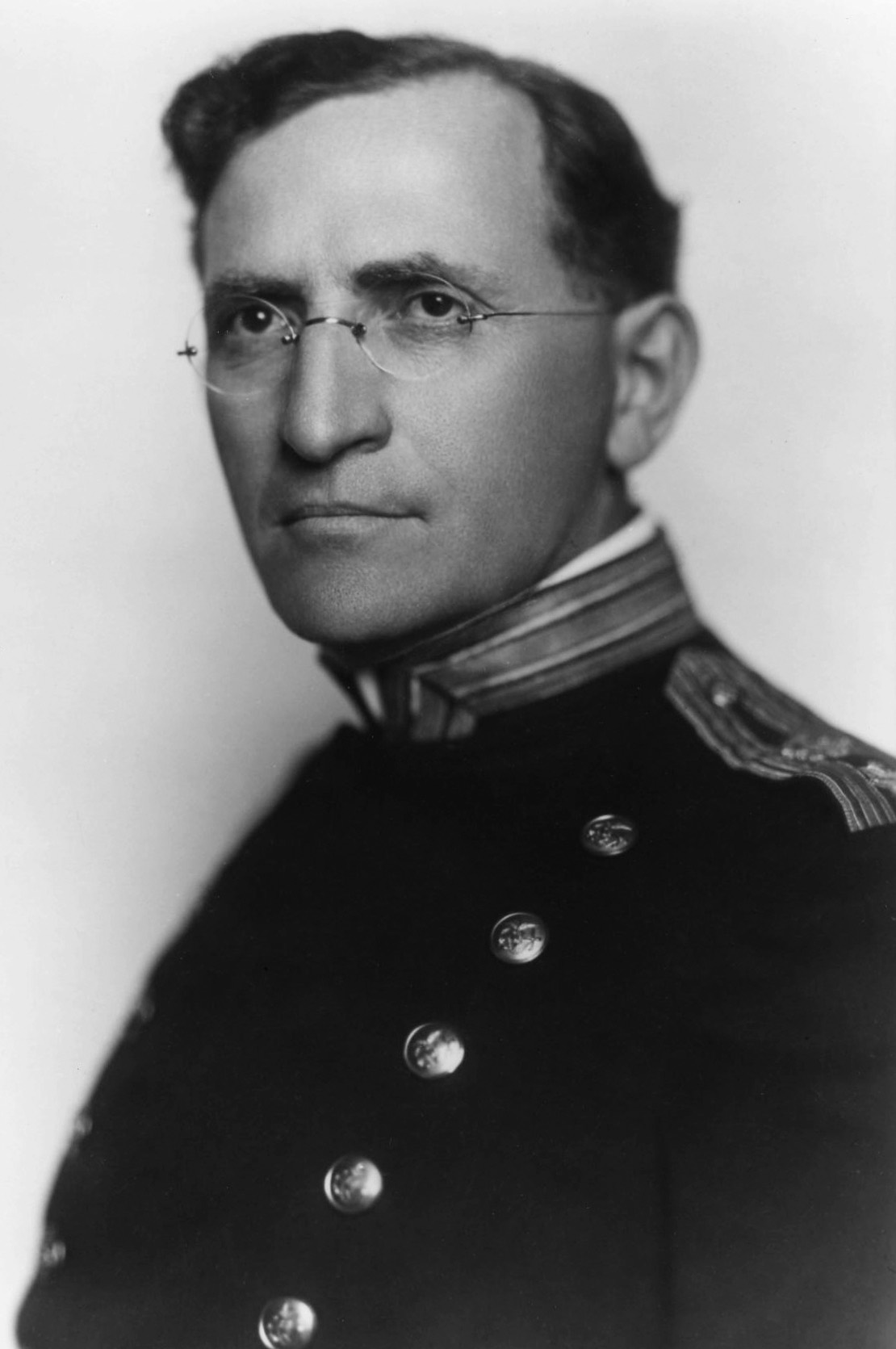
Pellagra was the disease of the four Ds, dermatitis, diarrhoea, dementia and death, first described among Spanish peasants in 1735 and almost unknown in the United States until 1907. Then it was everywhere in the South. South Carolina’s health officer counted 1,200 deaths in the first ten months of 1915, a rate second only to tuberculosis. Mississippi’s State Board of Health reported for 1914 that pellagra had “caused more deaths than typhoid fever, smallpox, measles, scarlet fever, influenza, epidemic cerebrospinal meningitis, and acute poliomyelitis combined,” and Goldberger would tell its Governor that the official records put the state’s deaths that year at over a thousand. The Public Health Service’s estimate for the whole country in 1915 was 75,000 cases and 7,500 deaths.
The Service had been studying the disease since 1909, and had a Pellagra Hospital at Spartanburg, South Carolina. The men Goldberger worked with were its officers: George A. Wheeler, an assistant surgeon of thirty, who lived at the Mississippi farm through the whole of 1915; C. H. Waring, who ran the orphanage work in Jackson; David G. Willets, an assistant epidemiologist at the Georgia State Sanitarium at Milledgeville; R. M. Grimm, in charge at Spartanburg; and Edgar Sydenstricker, a statistician, who joined in 1916 and stayed with him to the end. The Mississippi side was Dr E. H. Galloway, secretary of the State Board of Health, who took the idea to the Governor; Earl Brewer, a lawyer from Carroll County who had been Governor since January 1912 and had a year of his term left; Dr A. G. McLaurin, the prison physician at the farm; and Dr Nolan Stewart, lately superintendent of the state asylum, who with Galloway would put his name to the diagnoses.
The other side had a name too. The Thompson-McFadden Pellagra Commission of the New York Post-Graduate Medical School and Hospital, named for the two businessmen who paid for it, had been working in Spartanburg County since 1912. Its field men were Captain J. F. Siler of the Army Medical Corps and Passed Assistant Surgeon P. E. Garrison of the Navy; its laboratory man was W. J. MacNeal, director of the Post-Graduate’s laboratories.
What they were trying to find out
The question had two halves, and Goldberger stated both before he touched a convict.
The first was whether pellagra was catching. The commission thought it was. “All the members of the commission and every one of the investigators associated with us in the work,” its first report said in 1913, “have come to regard pellagra as an infection in all probability, and many of us would state that as our opinion without any reservation whatever.” Its summary put it in a numbered sentence: “Pellagra is in all probability a specific infectious disease communicable from person to person by means at present unknown.” The mode, it thought, was most likely “intimate association in the household and the contamination of food with the excretions of pellagrins.” Diet it allowed “as a predisposing factor,” not as the cause. “The thesis that deficiency in the quality and quantity of food can be regarded as the essential cause of pellagra seems to us not to be supported by our studies.” The next year, from six mill villages and 861 families, the commission reported that “frequent use, even daily use, of fresh meats and of eggs afforded no relative protection from pellagra in these villages,” and that corn meal “was not a factor.”
Goldberger’s answer to that was an observation nobody had followed up. In Public Health Reports for 26 June 1914, four months into the job, he collected what the asylum doctors had been saying for years, from Illinois to Barbados: inmates developed pellagra after ten, fifteen, twenty years inside, and the nurses and attendants who lived in the same wards, ate at the same tables and slept, in some places, in the same rooms, did not. At the Mississippi asylum in Jackson, 98 inmates had died of pellagra between October 1909 and July 1913; 126 nurses had served there since 1909, and none had caught it. “If pellagra be a communicable disease,” he wrote, “why should there be this exemption of the nurses and attendants?” Neither contact nor insects could explain it, “except on the assumption of an incubation or latent period extending over 10 to 20 years.” The explanation he offered was “a difference in the diet of the two groups of residents”: the nurses had “the privilege, which they exercise, of selecting the best and the greatest variety for themselves,” and could buy food outside.
The second half was what the diet did. By October 1914 he and his colleagues had written down three conclusions: “(1) that pellagra is not a communicable (neither infectious nor contagious) disease, but that it is essentially of dietary origin; (2) that it is dependent on some yet undetermined fault in a diet in which the animal or leguminous protein component is disproportionately small and the nonleguminous vegetable component disproportionately large; and (3) that no pellagra develops in those who consume a mixed, well-balanced, and varied diet, such, for example, as that furnished by the Government to the enlisted men of the Army, Navy, and Marine Corps.” He did not know what the fault was. “The writer is satisfied that the consumption of corn or corn products is not essential to the production of pellagra,” he wrote in June; the model in his mind was beriberi, which had lately been shown to come from polished rice and to be cured by what the polishing removed.
So there were three things to test. Would a better diet stop pellagra coming back in people who had it? Would a worse diet give it to people who had never had it? And would the blood, the skin and the excreta of the sick give it to anyone at all?
What they built
The first test began in September 1914 at two orphanages in Jackson, which the reports call “M. J.” and “B. J.,” and at the Georgia asylum. The orphanages had had pellagra every spring for years; in 1914, to 15 September, M. J. had 79 cases and B. J. 130, almost all in children between six and twelve, who, Goldberger noticed, were the ones fed least meat. The Service bought the food. Every child under twelve got a seven-ounce cup of milk at least twice a day and an egg at breakfast; fresh meat went from once a week to three or four times; beans and peas went into nearly every midday meal; grits gave way to oatmeal, and syrup was rationed. Nothing else was changed: “at the very outset it was requested that no change be made in hygienic and sanitary conditions,” and at B. J., which had unscreened privies and “a great deal of soil pollution,” none was. At Milledgeville two wards of women who had had pellagra in 1914, one of black patients and one of white, were put on half a pound of fresh beef a day, three cups of milk and buttermilk, and dried peas or beans, and the rest of the asylum went on as before.
The second test was the one that needed a governor. “From his earliest thinking,” the historian Jon Harkness wrote after reading the papers, Goldberger “seems to have had a bargain in mind for long-term convicts, the risk of contracting a disease in exchange for the promise of freedom.” The negotiations with Brewer began in January 1915; they were, he told his wife, “time-consuming and demand[ing] a heap of patience.” Brewer worried that someone might die. Goldberger answered that he could cure anyone who got the disease, and pointed to the orphanages. In 1933 Brewer remembered reading the diet to one of the men who came forward: “‘Gov, I’m eating that diet now,’ he said, ‘Sure I’ll do it.’” Twelve were chosen, “half of whom were murderers serving life terms and all of whom were white.” The published reason for choosing white men was that “judged by the incidence in the population at large, these would seem to be least susceptible to the disease.” The Jackson Daily News gave another: the disease “is easier of diagnosis, and more unmistakable in its symptoms, among Caucasians.”
The place was the farm of the Mississippi State Penitentiary in Rankin County, “well isolated from the surrounding communities,” where Dr McLaurin “informs us that there is no history of the occurrence or presence of pellagra.” The squad was organised between 1 and 4 February 1915 and put in the “new hospital building,” which had been an officer’s quarters, “a small, screened, one-storied cottage,” and “from the time of its organization this squad was strictly segregated and under guard day and night.” For two and a half months they ate the ordinary prison fare and were watched for any sign of the disease, and the watching was thorough: “it was our routine to examine these men, and the special control group, completely stripped.” Goldberger and Wheeler had planned a three-month run-in and cut it short, Harkness found, because of “the growing impatience of the volunteers to begin and to get through with their ordeal.”
Then the diet. Its ingredients, as Goldberger listed them for the Journal of the American Medical Association in February 1916, were “wheat flour (patent), corn meal, (corn) grits, corn starch, white polished rice, standard granulated sugar, cane syrup, sweet potatoes, pork fat (fried out of salt pork), cabbage, collards, turnip greens and coffee.” “Except for one meal in which 4 ounces of meat were included, the animal proteins and legumes were almost entirely excluded.” It was the winter diet of the Southern poor, cooked well and served in plenty. The week of 2 to 8 August, printed in full, came to 255.67 pounds of biscuits, corn bread, grits, rice, fried mush, brown gravy, sweet potatoes, greens and syrup, “3.32 pounds per man per day, having a caloric value of 2,952 calories per man per day”; “the corn meal and grits were of the best quality obtainable in the local market, and the same as used at one of the orphanages … at which no pellagra occurred this year.” That week the men whitewashed fences for two and a half days, sawed lumber for two, and rested for two and a half. They “kept about the same hours and did about the same kind and the same amount of work as the other convicts”; in cleanliness, quarters and “freedom from insects, particularly bedbugs,” they were “decidedly better off.” The menus are in the companion piece “The bill of fare,” beside the orphanage and asylum menus that stopped the disease.
The controls were the rest of the camp. “The entire population of the ‘camp’ was kept under observation,” and twenty men who were not trusties when the experiment began “have remained under continuous medical surveillance, comparable to that of the volunteers, throughout the whole period.” Everyone drank the same water, worked the same fields and used the same privies. If pellagra was a thing one caught at Rankin, the other convicts would catch it; if it was a thing one ate, only the squad would.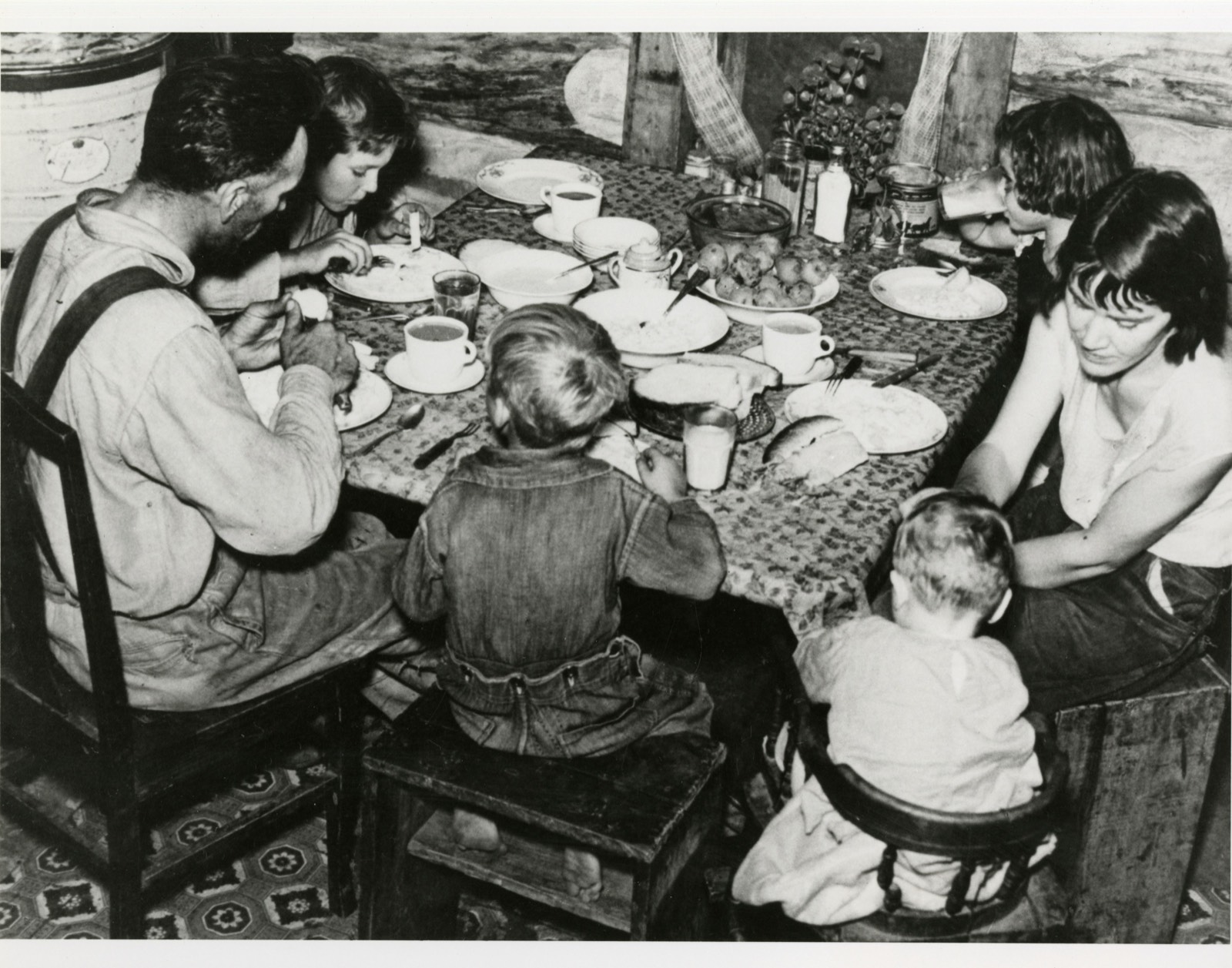
The third test was designed at the same time and had to wait a year; “the pressure of other work,” Goldberger wrote, “made it necessary to defer this phase of the investigation until the spring of the present year.” Some twenty of his colleagues volunteered; sixteen were used, fifteen men and one woman, aged twenty-six to forty-two, thirteen of them physicians. The woman, listed as “G-MHF, housewife, 35 years,” was Mary Goldberger. The materials were to be blood, drawn from a vein and injected into the arm; secretions swabbed from a patient’s nose and throat and rubbed into the volunteer’s; scales scraped from the rash; and urine and faeces, “worked up into a pilular mass with wheat flour” and swallowed on an empty stomach after a dose of sodium bicarbonate “to reduce gastric acidity and thus minimize the possibly germicidal effect of the gastric juice.” Since the commission suspected the privy, “the infectivity of both urine and feces was tested six times.” No one was confined or dieted: “they were advised to continue their customary habits of life and diet, and were permitted to travel freely.”
The twelfth of September
On 1 July 1915 one of the twelve was let out of the squad with prostatitis, which left eleven, aged twenty-four to fifty. Through the summer “loss of weight and strength and mild nervous symptoms appeared early. The gastro-intestinal symptoms were slight.” One of them, Guy R. James of Itta Bena, serving life for murder, wrote to the Governor from inside the experiment asking to be let out of it and out of prison; the letters are in the Mississippi State Archives, and Harkness, who read them, says James “believed that the test was a dangerous farce, and he listed a pitiable set of reasons why he was needed immediately at home.” Brewer did not let him go. Another of the men would tell a reporter that he had “been through a thousand hells.”
Then, between 12 and 24 September, “or not later than five months after the beginning of the restricted diet,” the skin went. “It is of great interest to note that in all our cases the skin lesions were first recognized on the scrotum. Later there appeared lesions on the backs of the hands in two cases and the back of the neck in one case.” Goldberger knew what the scrotum would mean to his critics, and said so in the first report: “This experience would suggest that the scrotal lesion is a much more common early skin manifestation than has heretofore been believed. It would probably have escaped us but for the fact that it was our routine to examine these men, and the special control group, completely stripped.” He had the Mississippi officials in: Galloway of the State Board of Health and Stewart of the asylum concurred in the diagnosis. He had two professors of dermatology, Marcus Haase of Memphis and Martin Engman of St Louis, “for assistance in excluding the other known dermatoses.” The men who had not been on the diet were examined as closely. “No person in the ‘camp’ not of the volunteer squad has presented evidence justifying even a suspicion of pellagra.”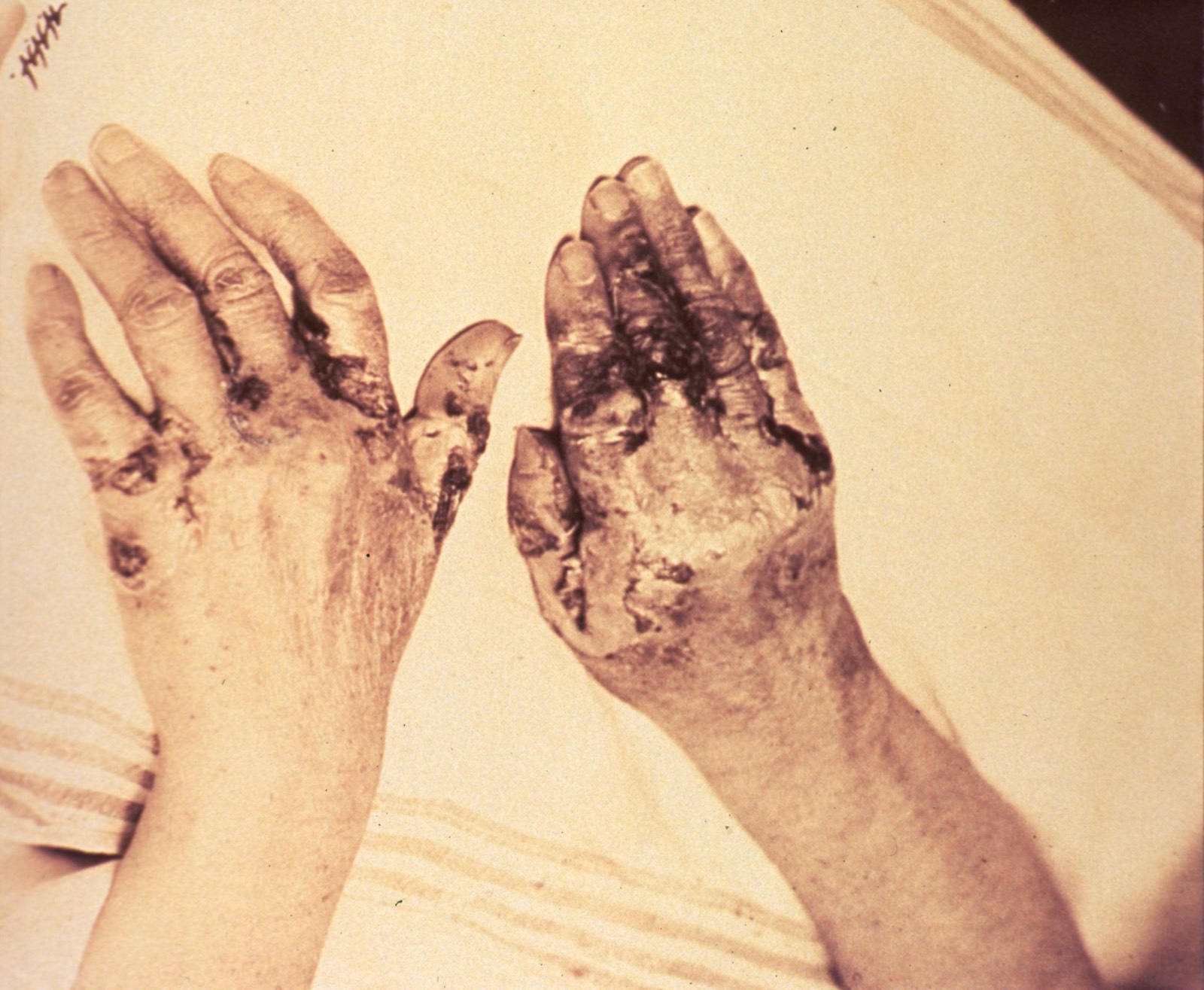
On 30 October Goldberger wrote to his wife that he had produced pellagra in five “great big, vigorous men,” and, in a line Daniel Akst found in the same correspondence, that “we have really and truly produced pellagra in great big vigorous men by just feeding them properly, or rather, ‘improperly.’” In the same letters, Harkness noticed, he put the word “volunteers” in quotation marks. The diet ended on 31 October. On 1 November he wrote to the Governor, and the Jackson Daily News printed the letter on its front page the same day under the headline “Dr. Goldberger Produces Pellagra Among Convicts.” “The test has been completely successful, inasmuch as not less than six of the men have developed pellagra.” Then: “These men have been under great physical strain. All are sick men. I would therefore strongly advise that they remain at the farm for a period of at least two weeks to receive the proper diet in order to, at least, start them on the road to health. Unless this is done there is serious danger of permanent and grave injury to their health.” And: “Without it the experiment would have been impossible, and the cause of pellagra would still be in dispute.”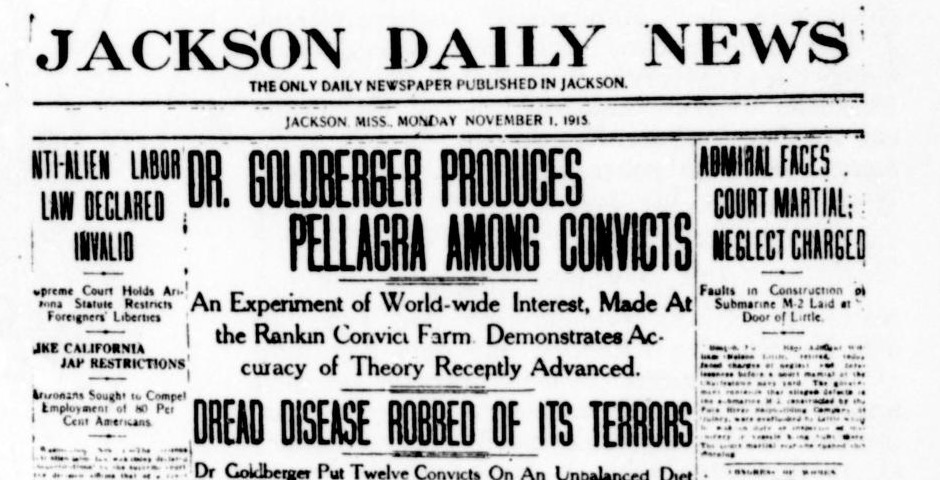
None of the men stayed the two weeks. They took their pardons, their suits and their five dollars and, the reporter wrote, “all left for their homes Nov. 1, 1915.” “All members of the squad looked pale and emaciated and several of the number bore the sores on their bodies so distinctive of pellagra.” Goldberger wrote that they went “like scared rabbits.” Two days later the Clarion-Ledger assured its readers that “when the pellagra squad was made up no persuasion was used to get members, four times the number needed volunteering, most of them life termers who were willing to take a chance with the loathsome disease rather than spend the remainder of their days on the State farms.” Reid Hunt of Harvard spoke of a Nobel Prize. On 12 November the Treasury Department put out a press bulletin announcing “the discovery of the cause and cure of pellagra,” and the same day Public Health Reports carried Goldberger and Wheeler’s four-page note, which ended: “The conclusion is drawn that pellagra has been caused in at least 6 of 11 volunteers as the result of the restricted diet on which they subsisted.”
What it looked like from inside
The first people to read the result were the physicians of the South, who met at Dallas from 8 to 11 November 1915, a week after the pardons, for the Southern Medical Association’s symposium on pellagra. Allen Freeman of the Service answered for Goldberger in the discussion, and had to admit, when asked what else the convicts had shown besides a rash, “I am sorry that I have not got the information you ask me to give you.” Stewart Roberts of Atlanta, who was losing a pellagrin at Grady Hospital every week or two, said what the room was thinking: “I must say that I differ with his ability to produce the disease or to cure it. I would have to have much more evidence than has been submitted to us yet. We have had many theories advanced and no proofs.” James Hayne, South Carolina’s health officer, was angry at how he had learned the news: “while on the train, not in a scientific medical journal, not before a body of scientific men, I found it stated to the laity that the causation of pellagra has been settled in the lay press.” E. H. Martin of Hot Springs, who treated his pellagrins with arsenic, offered a rule of his own: “absolute prevention of pellagra can be secured by having two hundred dollars in the bank.” Allan Eustis of New Orleans, who had known Goldberger ten years from the yellow fever, said he had “heard no evidence as yet to counteract the ideas of Dr. Goldberger,” and A. A. Herold, health officer of Caddo Parish in Louisiana, brought a control group of his own: two hundred cases among farmers who lived on “fat meat, cornmeal and some syrup,” and none among the oil-field roughnecks beside them, who “will not stand for poor rations.” The association’s journal summed up in December. “Is it not enough? Is it not conclusive? No. Not quite. … If we had not found the germ of tuberculosis we might easily have thought that it was caused by ‘an unbalanced diet.’” The companion piece “What Dallas said” has the discussion at length.
MacNeal’s answer came in the Journal of the American Medical Association on 25 March 1916, under the title “The Alleged Production of Pellagra by an Unbalanced Diet,” and it began with the newspaper: “The earliest account of this experiment, which has come to my notice, appeared in the Jackson Daily News, Nov. 1, 1915, the headlines of which are shown in the accompanying illustration.” The National Association for the Study of Pellagra had met at Columbia on 21 and 22 October, a month after the rashes appeared; Goldberger had attended, and neither Lavinder, its president, nor Siler, its vice-president, had been asked to come and look at the men. Then he went to the scrotum. Goldberger had written that the lesions “conformed to the type described and figured by Merk”; MacNeal reproduced Merk’s figure and translated his text, in which the scrotal lesion was an atypische localisation seen in a single case, and quoted Merk’s warning that such eruptions “contribute nothing to the diagnosis and critical judgment of the general disease.” The hands and the neck had been “mentioned but not described, and no evidence is furnished which might enable one to differentiate these lesions from an ordinary solar erythema.” His conclusion was that the claim “lacks, therefore, the support of any reliable published evidence,” and “should be regarded with suspicion.”
Goldberger and Wheeler replied on the same page, “preferring, pending the publication of our full report, not to enter into unnecessary discussion,” and reprinted their own paragraph with the sentences MacNeal had left out in italics. “Typical” referred to “the characters (bilateral symmetry, sharp delimitation, scaling, atrophy, etc.) of the skin lesions, entirely apart from their localization.” The full report, with the case notes and the photographs MacNeal had asked for, came out as Hygienic Laboratory Bulletin 120 in February 1920, four years later. Mary Goldberger, in a manuscript she called “Science Pigeonholed,” remembered the years between: “Doctor Goldberger was badgered with verbal brickbats and harangued by the doctors. One noted local physician in Birmingham spoke openly of Goldberger’s ‘half-baked experiments,’ and a professor of medicine at Columbia University … accused him of faking his prison experiment.”
The answer Goldberger chose was the one he had planned in 1915. On 25 April 1916 at the Pellagra Hospital in Spartanburg, blood was drawn from the arm of a woman eleven days into a first attack of the disease, defibrinated, and injected without delay, five cubic centimetres into Wheeler’s left deltoid and six into Goldberger’s; a swab wiped round her nose and throat was rubbed round theirs. Three days later at the Columbia asylum Goldberger took twenty grains of bicarbonate and swallowed, in a pill of wheat flour, the scales scraped from two patients’ skin, their urine, and the liquid faeces of a third, and had a week’s diarrhoea. On 7 May at Spartanburg six volunteers, Mary Goldberger among them, were injected with blood pooled from three patients; five of the six, not Mary, had the swabs, the scales “in the form of a ‘powder,’” and a pill of urine and faeces. “A sixth volunteer, G-MHF, received blood only.” That was the whole of her part. There were seven such parties between April and June, at Spartanburg, Columbia, Washington and New Orleans, and Goldberger was at every one; the last, on 25 June, used the scales, urine and faeces of seven patients, two of them dying. “If anyone ever got pellagra that way,” he wrote, “we three should certainly have it good and hard!” The companion piece “The seven experiments” gives every dose.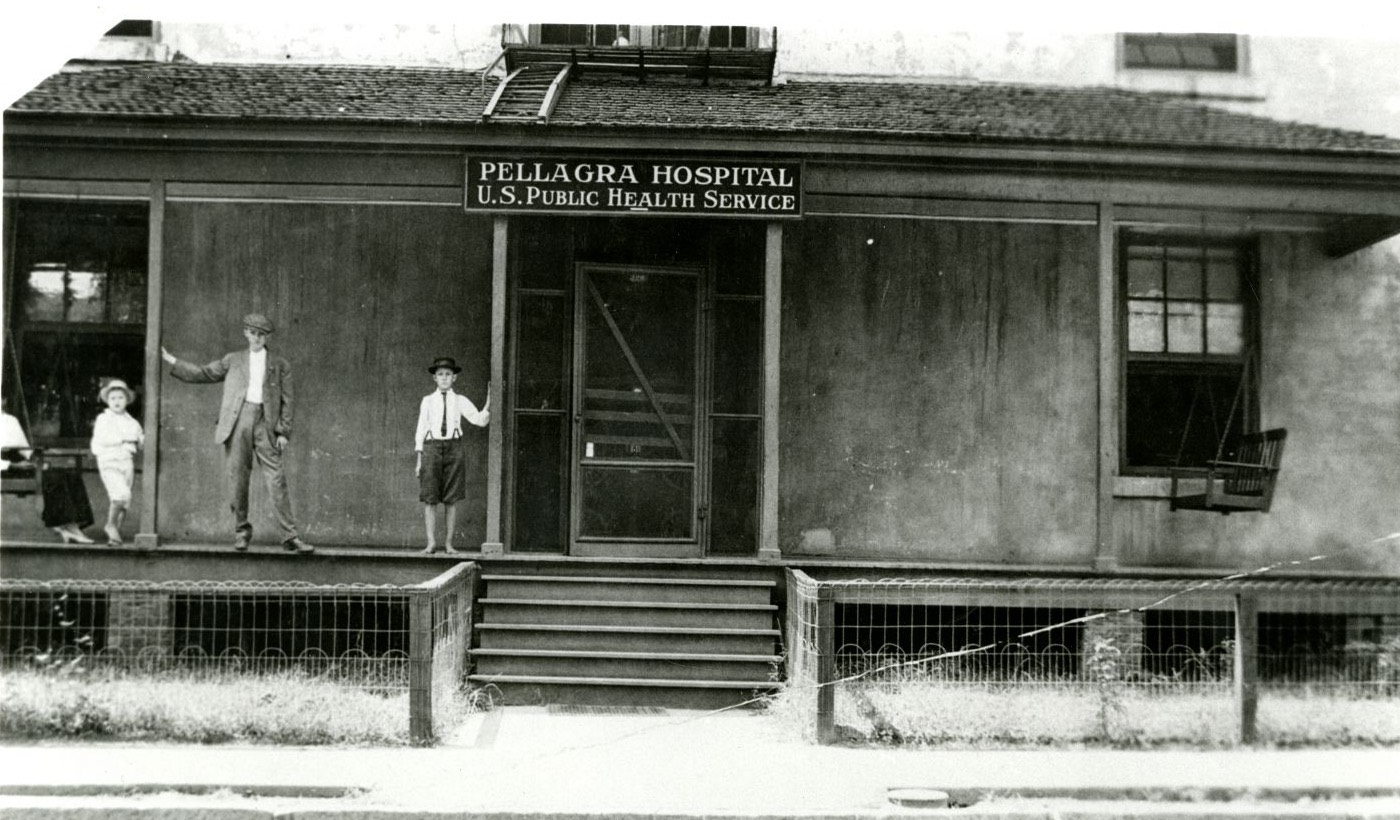
He gave the result to the Southern Medical Association himself, at Atlanta on 16 November 1916, with sixteen discussants on the list after him, Hayne and Martin among them. “The first experiment was made on April 25 and the last on June 25, so that the volunteers have now (Nov. 16, 1916) been under observation for from four and one-half to six and one-half months.” Four or five had had “more or less marked immediate, but temporary, gastrointestinal reactions following, and, probably, due to the ingestion of the large doses of excreta. When one considers the relatively enormous quantities of filth taken the reactions experienced were surprisingly slight.” One had renal colic in August. “None has developed any evidence justifying even a suspicion of pellagra.” He set it beside the farm. “Of 11 convicts subsisting on a one-sided diet, not less than 6 developed definite evidence of pellagra, while of over 30 controls not one showed any evidence that would justify even a suspicion of the disease.” The two experiments were the two halves of one question. “These experiments furnish no support for the view that pellagra is a communicable disease; they materially strengthen the conclusion that it is a disease essentially of dietary origin, brought about by a faulty, probably ‘deficient,’ diet.”
What happened
The orphanages had answered first. By October 1915 sixty-seven of the children who had had pellagra at M. J. in 1914 had passed the anniversary of their attacks on the new diet, and none had it again; of 105 at B. J., one; among the 168 children who had never had it, no new case. At Milledgeville none of the seventy-two women on the new diet relapsed; of thirty-two in the ordinary wards, fifteen did. “The conclusion is drawn that pellagra may be prevented by an appropriate diet without any alteration in the environment, hygienic or sanitary.” The final report on those institutions, in 1923, had followed 414 pellagrins and 288 others and found one recurrence: “Pellagra may be completely prevented by diet.”
The rest of the answer was built the slow way, from the kind of records the commission had collected and misread. In the spring of 1916 Goldberger and Sydenstricker went into seven cotton-mill villages of South Carolina, none bigger than 800 people, searched every house every two weeks from 15 April to the end of the year for the eruption, and copied the storekeepers’ sales books to learn what each household had bought. “Increasing supplies of milk or of fresh meat were found associated, one independently of the other, with a decreasing pellagra incidence.” Maize meal, wheat flour and dried beans made no difference either way. Calories made none: the pellagrous households ate about as much as the others. Protein made none. What differed was where the protein came from, and the ash, and “some as yet unknown essential (vitamine?).” The commission had asked whether a family that ate meat daily got less pellagra than one that did not, and found that it did not; it had not asked what the second family ate instead.
By 1918 the Service was answering the question the public asked. “Is pellagra catching?” Goldberger wrote in Public Health Reports that April, and answered “in the negative.” “Attempts to give persons pellagra by inoculations of blood or saliva and other body discharges from severe cases of pellagra have failed completely. On the other hand, when 11 convicts were fed on an unbalanced diet composed mainly of biscuit, corn bread, grits, rice, gravy, and sirup, with only a few vegetables and no milk, meat, or fruit, at least six developed the disease.” In 1916 it had been the second cause of death in South Carolina, with 3,700 deaths in six states and, he estimated, 100,000 cases south of the Potomac and the Ohio. He gave the reason in a sentence: “It is the poor man who is the chief sufferer from this disease. This explains why hard times, especially when accompanied by rising food prices, are likely to be followed by an increase in the disease.”
That sentence was the forecast, and in 1921 it came true. Cotton collapsed in the autumn of 1920. In Public Health Reports for 8 July 1921 the Service reported that “the fear expressed by officers of the Public Health Service last fall, that the economic depression was likely to be followed by an increase of pellagra in the summer of 1921, is being realized,” and that cases would probably “be more than double what they were last year.” Goldberger’s own warning, of 100,000 cases and 10,000 deaths, made the front page of the New York Times, and headlines of famine and plague in the South reached President Harding, who asked the Surgeon General, Hugh Cumming, for a report and backed a bigger budget, and the Service asked the South to feed its poor. The South answered as it had in 1915. Congressman James Byrnes of South Carolina led the denunciation; the Memphis Commercial Appeal said the region would bear its troubles in a “manly and courageous way”; the Birmingham News asked, “Don’t the dern fools know that for four long years the confederate soldiers had mighty little else to eat.” The cases came anyway, though fewer than the forecast.
After
Goldberger never found the thing that was missing. He found what carried it. In the middle 1920s, working with dogs, whose black tongue proved to be the same disease, he showed that a few ounces of dried brewer’s yeast prevented pellagra as surely as milk and meat and far more cheaply, and when the Mississippi flooded in 1927 the Red Cross handed out yeast in its relief stores. He fell ill in 1928 with a cancer of the kidney and died in Washington on 17 January 1929, at fifty-four; his ashes were scattered on the Potomac while a rabbi said Kaddish. He had been nominated for the Nobel Prize in 1916, in 1925 and twice in 1929.
In 1937 Conrad Elvehjem at Wisconsin cured black tongue with nicotinic acid, and Tom Spies cured pellagrins with it in Alabama and Cincinnati. The vitamin went into the South’s flour and bread in the 1940s, and the disease that had filled the asylums went out of them. Between 1907 and 1940, by the count Alan Kraut gives, about three million Americans had pellagra and about 100,000 died of it; for several decades the deaths ran at some 7,000 a year. The men themselves went home with their suits and their five dollars, and what is left of them is in the Governor’s correspondence: the editor of the Itta Bena Times writing six weeks before the end that the county had “much oppostion [sic] to a pardon for Mr. James,” and Brewer, in 1933, remembering that he “caught plenty of trouble when all those pardons were revealed at once.” The use of American prisoners in experiments that did them no good began at Rankin, Harkness wrote, “with a triumph,” and ran on into the 1970s with Goldberger’s name on its charter.
What it taught
The experiment worked. A diet produced the disease in six of eleven men and spared thirty who ate otherwise; the sick did not pass it to the sixteen who ate their excrement; a better diet stopped it in three institutions and, measured household by household, in seven villages. Every piece of that was in print by 1920. The South read it for twenty years as a slander, and the medical profession read it for five as a claim about a rash.
The instrument nobody read was the diet table. Goldberger printed the week of 2 to 8 August in Public Health Reports and again in the Journal of the American Medical Association, to the hundredth of a pound, with the calories. It said three things that settled most of what was argued afterwards. The men were fully fed, at 2,952 calories a day and more rest than the other convicts, so the disease was not hunger. The food was good, the same meal and grits as the orphanage that had no pellagra, so it was not spoiled corn. And the table was the ordinary table of the Southern poor, as the volunteer told the Governor: “I’m eating that diet now.” MacNeal went to the scrotum, Hayne to the newspaper, the Dallas room to tuberculosis and the boll weevil, and the editors of 1921 to the Confederate army. Nobody argued with the table. It was the one exhibit the experiment had that did not need a dermatologist, and it was the one that nobody wanted to be true.
A result that arrives in a newspaper is read as a claim. Goldberger wrote to the Governor on the day the diet ended, the letter was on the front page the same afternoon, and the Service’s own report came out twelve days later. He had reasons; thousands were dying and the remedy was food. But Hayne learned the cause of pellagra from a train, MacNeal opened his attack with the headline, and the first sentence the profession heard was “completely successful,” before anyone outside Mississippi had seen a lesion. The thing that was wrong with the experiment was not its design but its publication order, and a man who had been right about the cause spent four years being asked for the photographs.
The weakest joint was the one that could not be blinded. Everything at Rankin was controlled except the diagnosis, which was a doctor looking at skin, and the skin did what skin does and showed the disease first in the one place the textbooks called atypical. MacNeal’s translation of Merk was fair; Goldberger’s “typical” was about the lesion’s edges and symmetry, not its address, and his reply said so. But a critic who wants to doubt an experiment goes to the measurement that depends on judgement, and the only defence is to have brought the judges before the result, not after. Goldberger had, and two of them were the state’s own officials and two were professors of dermatology; what he had not done was invite the men who would doubt him. The 1916 experiment was his answer to that: it put the critics’ own hypothesis, the excreta, into his own body, so that the judgement would be theirs.
The experiment answered a question the South was not asking. An infectious disease is nobody’s fault and can be fought with screens and privies, which a mill owner can buy. A dietary disease among people who eat what they can afford is an account rendered against wages, tenancy and the price of cotton, and in 1915 and again in 1921 the South said so, in its journals and its newspapers, as plainly as Goldberger said the opposite. The proof did not move the disease. What moved it, in the end, was a cheap yeast that needed no confession, an insect that ate the cotton and made the farms grow food, and a vitamin that could be put into the flour without anyone agreeing why. An experiment can prove a cause and still leave the cure to politics, and whoever designs one should know which of the two it is being asked to settle.
The volunteers were in quotation marks. Goldberger put them there himself, in a letter to his wife, and Guy James’s letters to the Governor say what the marks meant. Twelve men chose five months of a disease they had watched kill their neighbours over the rest of their lives at the farm, and the newspaper that reported “no persuasion was used” reported it in the same sentence as the reason they came. The experiment was honest with them about the risk, and that honesty, Harkness notes, became the pattern for fifty years of prison research that was honest about the risk and silent about the bargain.
Check the story before you learn from it. The squad is twelve men in the report and “eleven sturdy, strong, healthy prisoners” in the Dallas telling; the diet began on 19 April in the report and on 23 April in a journal’s note that also had the squad formed on 15 February; Goldberger counted five sick men to his wife on 30 October and “not less than 6” to the Governor two days later, and the Mississippi doctors who examined the men found “six … in a pronounced form” and “two others” suggestive, which became “six or seven” in his reply to MacNeal; the first filth party was on 25 April in his paper and 26 April in a museum’s; Mary Goldberger swallowed capsules in most of the retellings and took “blood only” in the record. What the record supports without argument is the bill of fare, the pounds, the calories, the dates, the scrotum, the thirty controls, the sixteen volunteers, the 414 pellagrins and the one recurrence. That was enough in 1915, and it is enough now.
Sources
- Joseph Goldberger, “The Etiology of Pellagra: The Significance of Certain Epidemiological Observations with Respect Thereto,” Public Health Reports 29 (26), 26 June 1914, 1683–1686. The nurses and attendants, the Jackson asylum’s 98 deaths and 126 nurses, “why should there be this exemption,” and corn “not essential.” archive.org
- Joseph Goldberger, C. H. Waring and David G. Willets, “The Treatment and Prevention of Pellagra,” Public Health Reports 29 (43), 23 October 1914, 2821–2825. The three conclusions of October 1914 and the diet prescribed. archive.org
- Joseph Goldberger, C. H. Waring and David G. Willets, “The Prevention of Pellagra: A Test of Diet among Institutional Inmates,” Public Health Reports 30 (43), 22 October 1915, 3117–3131. The orphanages M. J. and B. J., the Georgia wards, the menus, the recurrence rates, Rice’s figures, and the critique of the commission’s method. archive.org
- Joseph Goldberger and G. A. Wheeler, “Experimental Pellagra in the Human Subject Brought About by a Restricted Diet,” Public Health Reports 30 (46), 12 November 1915, 3336–3339. The farm, the squad, the dates, the bill of fare for 2 to 8 August, the controls, the scrotal lesions, the consultants and the conclusion. Issue scan at archive.org; a 1959 reprint at stacks.cdc.gov
- Joseph Goldberger, “Pellagra: Causation and a Method of Prevention. A Summary of Some of the Recent Studies of the United States Public Health Service,” Journal of the American Medical Association 66 (7), 12 February 1916, 471–476. The ingredients of the diet, the single meal with meat, the loss of weight and strength, “pellagra is essentially of dietary origin,” and Galloway’s part. archive.org
- W. J. MacNeal, “The Alleged Production of Pellagra by an Unbalanced Diet,” with the reply of Joseph Goldberger and G. A. Wheeler, Journal of the American Medical Association 66 (13), 25 March 1916, 975–977. The Jackson Daily News headline and Goldberger’s letter to Brewer of 1 November 1915 as the newspaper printed it, the reporter’s description of the men, Merk and Stannus, “regarded with suspicion,” and the reply. Also the source of the figure. archive.org
- Joseph Goldberger, “The Transmissibility of Pellagra: Experimental Attempts at Transmission to the Human Subject,” Public Health Reports 31 (46), 17 November 1916, 3159–3173. The sixteen volunteers, the seven experiments, the doses, the effects, the list of volunteers with G-MHF, and “no support for the view that pellagra is a communicable disease.” Issue scan at stacks.cdc.gov; the paper alone at archive.org
- Joseph Goldberger, “Pellagra: Its Nature and Prevention,” Public Health Reports 33 (14), 5 April 1918, 481–488. “Is pellagra catching?”, the deaths by state in 1916, the 100,000 cases, and hard times. archive.org
- Joseph Goldberger, G. A. Wheeler and Edgar Sydenstricker, “A Study of the Relation of Diet to Pellagra Incidence in Seven Textile-Mill Communities of South Carolina in 1916,” Public Health Reports 35 (12), 19 March 1920, 648–713. The house-to-house search, the storekeepers’ books, milk and meat, and the summary. archive.org
- “Economic Depression and Pellagra Incidence,” Public Health Reports 36 (27), 8 July 1921, 1565. The forecast realised. archive.org
- J. F. Siler, P. E. Garrison and W. J. MacNeal, Pellagra: A Summary of the First Progress Report of the Thompson-McFadden Pellagra Commission, New York, 1913, reprinted from the Journal of the American Medical Association of 3 January 1914. The commission’s members, “an infection in all probability,” the summary’s five points, and diet as “a predisposing factor.” Wellcome Library copy at archive.org
- J. F. Siler, P. E. Garrison and W. J. MacNeal, “A Statistical Study of the Relation of Pellagra to Use of Certain Foods and to Location of Domicile in Six Selected Industrial Communities,” Archives of Internal Medicine 14, September 1914, 293–373. The 861 families, and meat and eggs affording “no relative protection.” Wellcome Library copy at archive.org
- “Public Health Service Discovers Cause and Cure of Pellagra,” the Treasury Department’s press bulletin for release 12 November 1915, as reprinted in the Southern Medical Journal 8 (12), December 1915, with the estimate of 75,000 cases and 7,500 deaths and the note that twelve convicts, “seven of them serving life sentences,” were examined on 2 November and six found with “pellagra in a pronounced form.” archive.org
- “Discussion: Symposium on Pellagra,” Southern Medical Association, Dallas, 8 to 11 November 1915, Southern Medical Journal 9 (1), January 1916. Freeman, Roberts, Marchman, Eustis, Stinson, Hayne, Herold, Martin, Leroy and Parrish in their own words, and the 1,200 deaths in South Carolina. archive.org
- Minutes of the Section on Public Health, Southern Medical Association, Atlanta, 16 November 1916, Southern Medical Journal 9 (12), December 1916. The symposium at which the transmissibility paper was read, and the discussants. archive.org
- Jon M. Harkness, “Prisoners and Pellagra,” Public Health Reports 111 (5), September–October 1996, 463–467. The negotiations with Brewer, the letters to Mary Goldberger of January and 30 October 1915 and the quotation marks, the Jackson Daily News of 1 and 2 November and the Clarion-Ledger of 3 November 1915, Rucker’s letter from Itta Bena, Guy James’s letters, Brewer’s recollections of 1933, Reid Hunt, Scientific American, and Mary Goldberger’s “Science Pigeonholed.” The newspaper and manuscript quotations in this entry that are not in the Journal of the American Medical Association come at second hand from here. stacks.cdc.gov
- Alan M. Kraut, Dr. Joseph Goldberger and the War on Pellagra, Office of NIH History, 1996 to 2003. Goldberger’s life, the marriage, the fevers, Schamberg’s disease, the “filth parties,” the 1921 episode with Harding, Cumming and Byrnes, the yeast, the flood, the death and the ashes, and the count of three million cases and 100,000 deaths. The exhibit has gone from history.nih.gov; archived copy at webarchive.library.unt.edu
- Daniel Akst, “Pellagra: The Forgotten Plague,” American Heritage 51 (8), December 2000. “Great big vigorous men … ‘improperly,’” “a thousand hells,” “good and hard,” and the Commercial Appeal and Birmingham News of 1921, at second hand. americanheritage.com
- Sam Kean, “Joseph Goldberger’s Filth Parties,” Distillations, Science History Institute, 8 September 2020. “Like scared rabbits,” at second hand. sciencehistory.org
- Alfredo Morabia, “Joseph Goldberger’s research on the prevention of pellagra,” Journal of the Royal Society of Medicine 101 (11), November 2008, 566–568. The 1923 final report’s 414 pellagrins and one recurrence, and “Pellagra may be completely prevented by diet,” quoted from Public Health Reports 38, 12 October 1923. doi:10.1258/jrsm.2008.08k010
- Alfred Jay Bollet, “Politics and pellagra: the epidemic of pellagra in the U.S. in the early twentieth century,” Yale Journal of Biology and Medicine 65 (3), 1992, 211–221. The 7,000 deaths a year. PMC2589605
- Sarah Schmitz and Eve J. Lowenstein, “The unwavering doctor who unraveled a medical mystery,” International Journal of Women’s Dermatology 5 (2), 2019, 137–139. Surgeon General Blue’s letter of 1914, quoted from the Goldberger papers. PMC6451741
- Joseph Goldberger Papers, 1891–1949, Southern Historical Collection, University of North Carolina at Chapel Hill, collection 01641: the letters to Mary Farrar Goldberger. Not consulted directly. finding-aids.lib.unc.edu
- Joseph Goldberger and G. A. Wheeler, “The Experimental Production of Pellagra in Human Subjects by Means of Diet,” Hygienic Laboratory Bulletin 120, Washington, February 1920, 7–116. The full report, with the case notes and plates. No open scan was reachable while this entry was written; the figures here rest on the 1915 and 1916 papers.
- The photographs are from the National Library of Medicine’s Images from the History of Medicine, catalogue numbers A020762, A030367 and A018705, each marked public domain by the Library, and from the Centers for Disease Control and Prevention’s Public Health Image Library, 8164, via Wikimedia Commons.
